
A Fabricator's Ranking · 2026
The Best Granite
in Pakistan.
Granite is bought for what it does, not how it looks. Ranked by the house that has cut, flamed and polished it since 1995.

Pakistan has granite
most buyers never see.
Nobody arrives at a stone gallery hoping to fall in love with granite. They come to it having worked out that a surface has a job to do — a counter that will meet hot pans and turmeric, a driveway that will carry a car through monsoon rain, a corridor that two hundred people a day will walk. Granite is the answer to a practical question, and it deserves to be chosen practically.
What makes it that answer is structure. Granite is igneous: quartz and feldspar crystals locked together under enormous pressure, with almost no calcite. That single fact is why the acids that ruin marble do nothing to it. Lemon, vinegar, tamarind, the tomato base of a karahi — none of them etch it. It is dense enough to shrug off hard water and hard enough that ordinary grit does not dull it.
Pakistan is unusually well supplied with it. Granite belts run through Balochistan, Khyber Pakhtunkhwa and Gilgit-Baltistan, producing blacks, golds, pinks and greens that compare directly with imported stone at a fraction of the landed cost — and much of it never reaches domestic buyers because it is easier to export. We buy at the quarry face specifically to keep the better lots here.
The six below are ranked by the job each does best, not by price, and with the honest caveat noted where one exists.
Ranked by the Job
Six granites that
earn their place.
01Black Pakistani
Best Kitchen CounterIf you want one recommendation for a Pakistani kitchen and no debate about it, this is the stone. Deep, even black with a tight crystal structure that takes a hard polish and keeps it. It is genuinely indifferent to everything a kitchen here does to a surface — acid, heat, oil, harsh cleaner, constant wiping — and being locally quarried it costs a fraction of the imported blacks sitting beside it on our racks. We have cut more of it into counters than any other granite, by a wide margin.
Explore →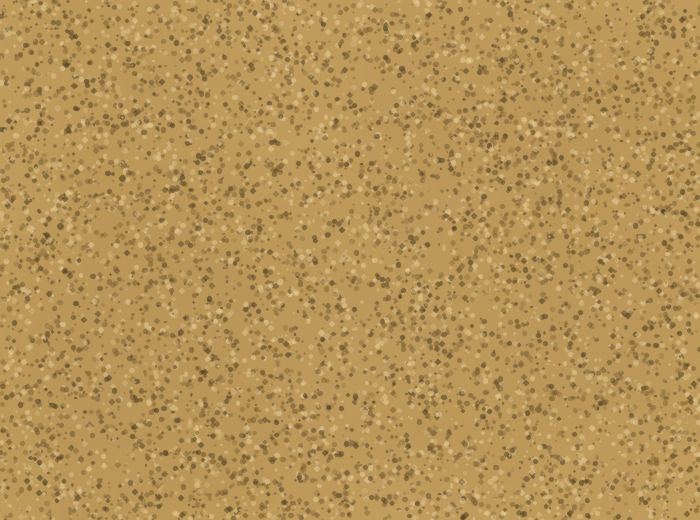 02
02Indus Gold
Best for ExteriorsWarm gold and grey, and the granite we reach for the moment stone is going outdoors. Flamed rather than polished, the surface is torched open into a fine grip that holds underfoot in monsoon rain — the difference between a driveway ramp that is usable in August and one that is not. It holds colour through years of direct sun without fading or chalking, and on boundary walls and plinths it ages into something better than it started as.
Explore → 03
03Black Galaxy
Best Statement CounterBlack ground scattered with bronze mica that catches the light as you move past it — the granite people photograph. Functionally it does everything Black Pakistani does, so what you are paying for is the flecking. On an island, a reception desk or a vanity that is genuinely on display, it earns the difference comfortably. On a run of back counters hidden under wall units it does not, and we will tell you so before you spend the money.
Explore → 04
04Chaghi Pink
Best Commercial FloorA warm speckled pink-grey that has floored more Pakistani institutional buildings than almost any other stone, for reasons that are entirely practical. It hides everything — dust, scuffing, the general wear of heavy public traffic — while staying bright enough to keep a long corridor from feeling closed in. Crucially it is available in large lots at consistent colour, which is what actually matters when you are covering ten thousand square feet.
Explore →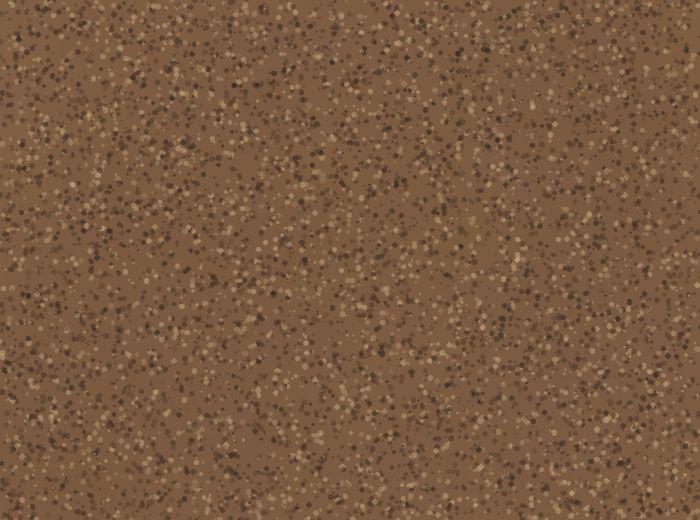 05
05Baltic Brown
Best for BathroomsDeep brown with dark crystal rounds, and a stone that solves a specific problem in Pakistani bathrooms: hard water leaves visible mineral marks on anything pale, and Baltic Brown simply does not show them. Dense, low-porosity, and warm enough to sit with the wood tones most local bathrooms use. It also makes an excellent stair tread, where a darker surface disguises the traffic line that forms up the centre over the years.
Explore →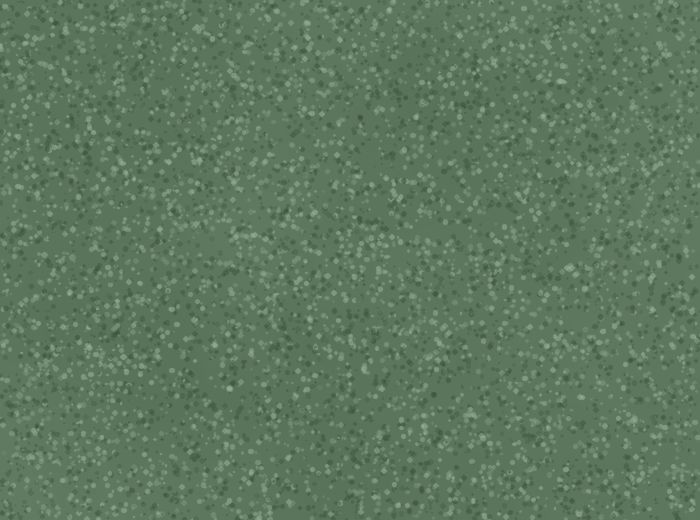 06
06Hunza Green
Best Character StoneDeep green shot with black and white crystal — the most distinctive granite Pakistan produces, and the one clients either want immediately or not at all. Quarry output is limited and lots genuinely vary, so it belongs on features rather than large floors: a reception face, a fireplace surround, a column cladding. Buy the entire quantity in one lot, because matching it later is not realistically possible.
Explore →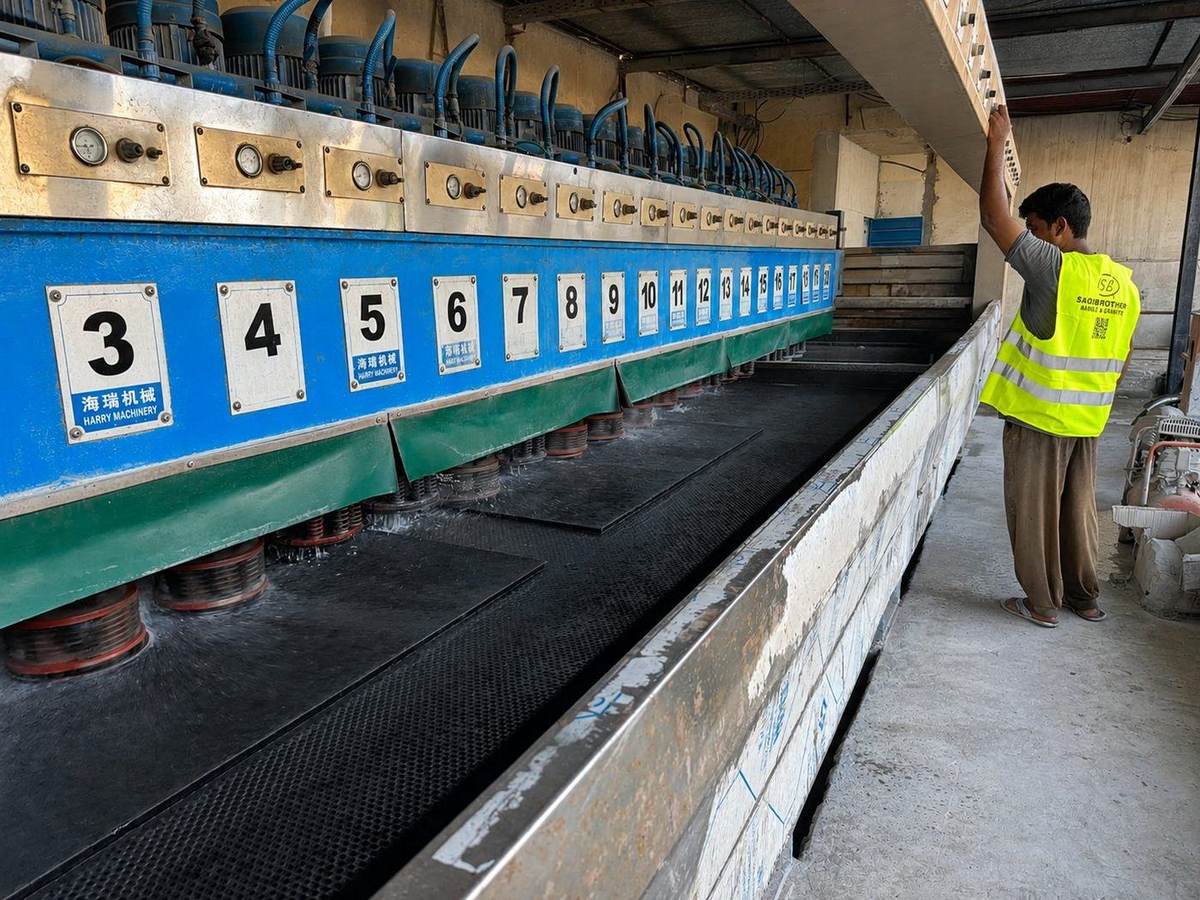
The finish decides
more than the stone.
Two identical granites behave completely differently depending on how the surface is finished, and it is the part of the decision most buyers are never asked about. In Pakistan it matters more than usual, because one building often needs three different finishes of the same stone.
Polished is a mirror. It shows the crystal at its best, wipes clean, and is the right answer for kitchen counters and interior floors — but it becomes genuinely dangerous when wet, which rules it out for exterior steps, ramps and pool surrounds in a country with a monsoon. Honed is ground flat but stopped short of the mirror: matt, softer-looking, considerably more slip-resistant, and much better at hiding the fine scratching that traffic eventually brings.
Flamed is the one most people have not heard of and often need. The surface passes under a high-temperature torch that pops the top crystal layer open, leaving a rough, grippy texture. It is what makes a granite driveway safe in rain and a stair nosing safe underfoot. We flame in-house, which means we can flame the tread and polish the riser of the same step from the same slab — a detail that reads as quality and costs almost nothing to specify.
For stairs, ask about anti-slip grooving. Two or three shallow grooves cut across the nose of each tread take minutes on the CNC and are the difference between a staircase a grandparent can use safely in July and one they cannot.
“Exterior stone in Pakistan has to survive monsoon, heatwave and a decade of tyres. Flamed granite is our answer, and we have never had one come back.”
Granite is unforgiving
to machine.
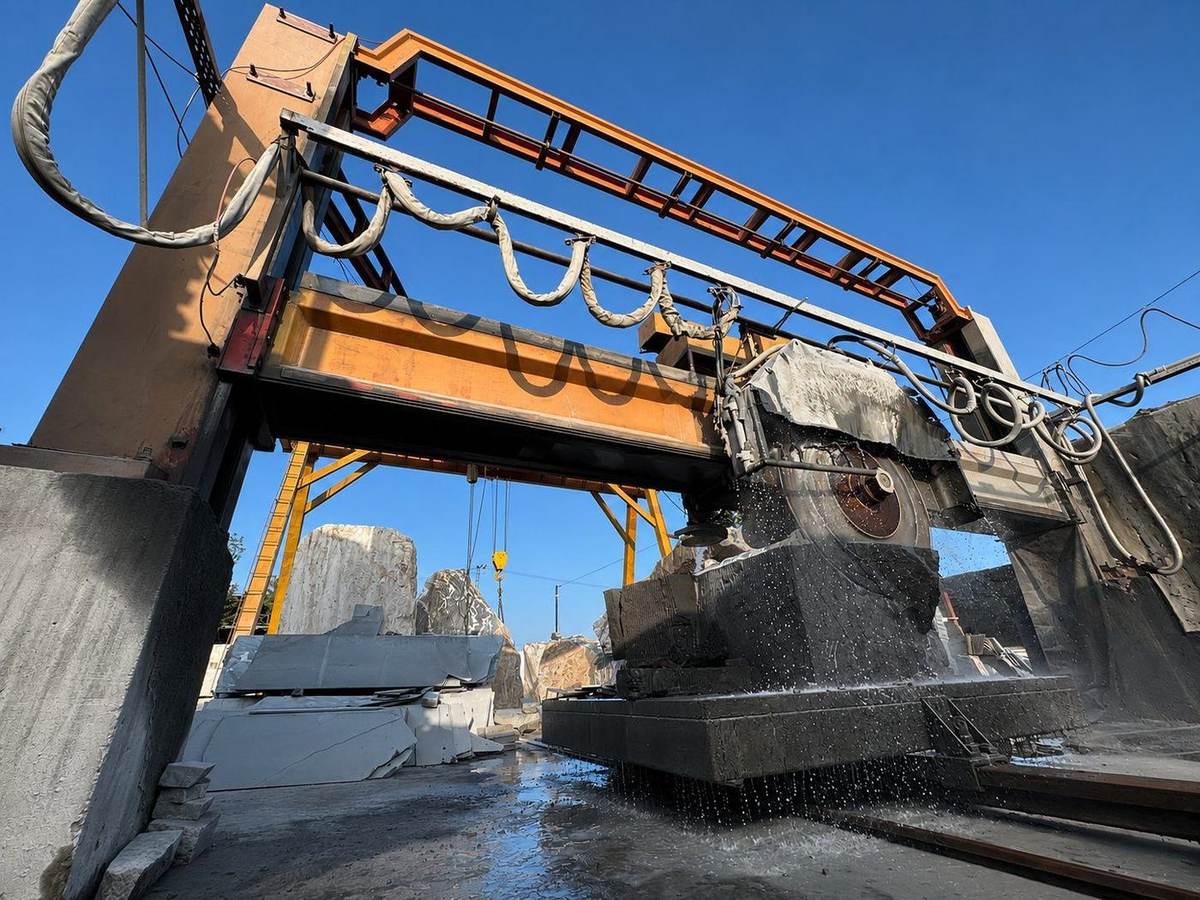
Granite punishes bad fabrication in a way marble does not, and it is the main reason two quotes for the same stone can produce completely different results. Marble is soft enough that a mediocre cut can be polished back. Granite is not.
A rushed cut leaves chipped edges that no amount of polishing hides. A polish stopped short of the full sequence looks almost right in the yard and dulls within a year of use. A mitred corner on a counter is either perfect or obviously wrong, and which one you get is decided by the calibration of the machine and the patience of the operator — not by the quality of the block you paid for.
We cut on our own gang saws and CNC at RUDA, sixty-six thousand square feet of it, and finish through the full eight-stage polish. That costs us throughput. It is also why our granite edges look the same in year five as they did on the day they were laid.
If you are comparing quotes, ask where the stone will actually be cut and by whom. A company that buys finished slabs and subcontracts fabrication has two places for accountability to disappear, and you will find out which one at the worst possible moment.
Black Pakistani, polished — dense, local, indifferent to turmeric.
Indus Gold, flamed — grip in rain, colour that holds.
Chaghi Pink — hides traffic, available in consistent large lots.
Indicative Rates · PKR per sq ft
What it costs,
honestly.
We deliberately do not publish a fixed rate per stone. Any exact figure printed on a website is out of date within months — the currency moves, quarry output changes, and a number that was honest in spring quietly misleads by autumn. Ranges are the truthful form: they show you where our rates actually sit without claiming a precision that does not survive contact with the market. These bands shift too, which is why the only figure that binds either of us is the one written on your quotation.
| Stone | Cut-to-size / flooring | Full slabs |
|---|---|---|
| Local Black Granite | Rs 150 – 1,500 | — |
Why the ranges are wide — the same stone prices very differently by format and grade. Cut-to-size flooring, full slabs, stair treads, vanity tops and full gangsaw pieces are effectively four different products from one block. Grade within a stone varies as much again.
Ranges shown for guidance. The price we quote in writing is the price you pay.
Questions we answer daily
Which granite is best in Pakistan?
For kitchens, Black Pakistani — dense, locally quarried, and completely unaffected by the acids a Pakistani kitchen produces daily. For exteriors, Indus Gold in a flamed finish. For large commercial floors, Chaghi Pink, because it hides traffic and comes in consistent large lots.
Is Pakistani granite good quality?
Yes, and often better value than imported alternatives. Granite belts in Balochistan, KPK and Gilgit-Baltistan produce blacks, golds, pinks and greens that compare directly with imported stone. Much of the best output is exported rather than sold domestically, which is why we buy at the quarry face.
Is granite better than marble?
For anything that works — counters, stairs, driveways, exteriors — yes, clearly. Granite has almost no calcite, so acids do not etch it, and it resists hard water far better. For lounges, bedrooms and formal interiors where light and elegance matter more than toughness, marble is the better-looking choice.
What is a flamed finish and when do I need it?
Flaming passes a high-temperature torch over the surface to pop the top crystal layer open, leaving a rough, grippy texture. You need it anywhere stone gets wet and walked on — driveways, ramps, exterior steps, pool surrounds. Polished granite outdoors in a monsoon climate is genuinely unsafe.
Does granite need sealing?
Far less than marble, and some dense blacks effectively never need it. We seal counters on installation against oil staining and suggest re-sealing every two to three years in a working kitchen. Exterior granite generally needs nothing beyond washing.
How much does granite cost in Pakistan?
It varies with whether the stone is local or imported, the finish, and the thickness. Broadly, Pakistani granites sit at the accessible band and imported stones above them. Indicative bands are published above. The exact figure depends on format, finish and thickness, and is confirmed in writing against your measurements.
Can granite be used for stairs?
Yes, and it is one of the best materials for them — provided the finish is right. Honed or flamed on the treads rather than polished, with anti-slip grooves cut across the nosing at the factory. It costs very little at fabrication and makes a real difference in monsoon season.
Do you supply granite for large commercial projects?
Yes — banks, hotels, universities, hospitals and government institutions across Pakistan. For large floors we reserve a single quarry lot so colour holds consistent across the whole area, and phase deliveries to the site programme.
Why don’t you publish exact prices?
Because a fixed figure on a website is misleading within months — currency, freight and quarry output all move, and a rate that was accurate when it was typed quietly becomes a false promise. Ranges are the honest version: wide enough to stay true, narrow enough to be useful. Even these bands change with market conditions, so the figure that counts is the one we put in writing against your measurements.
Ready when you are